SpaceX & T-Mobile’s Revolutionary Direct-to-Cell Service: The Death of Dead Zones and the Future of Mobile Connectivity
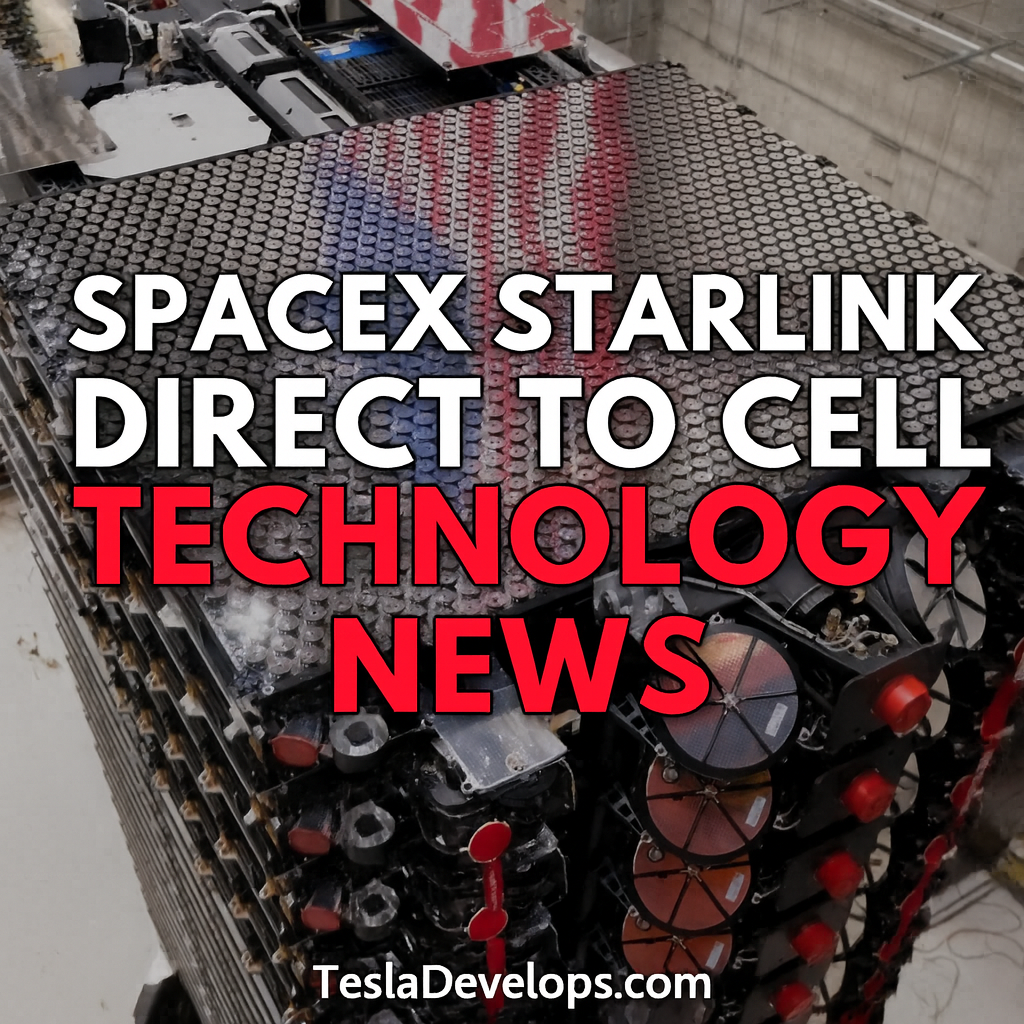
What Is Starlink Direct to Cell? A Game-Changing Technology
Imagine your phone maintaining perfect connectivity whether you’re hiking in the remote wilderness, sailing miles offshore, or driving through rural America’s notorious dead zones. That’s the promise of SpaceX’s Direct to Cell service, and it’s no longer science fiction—it’s happening right now.
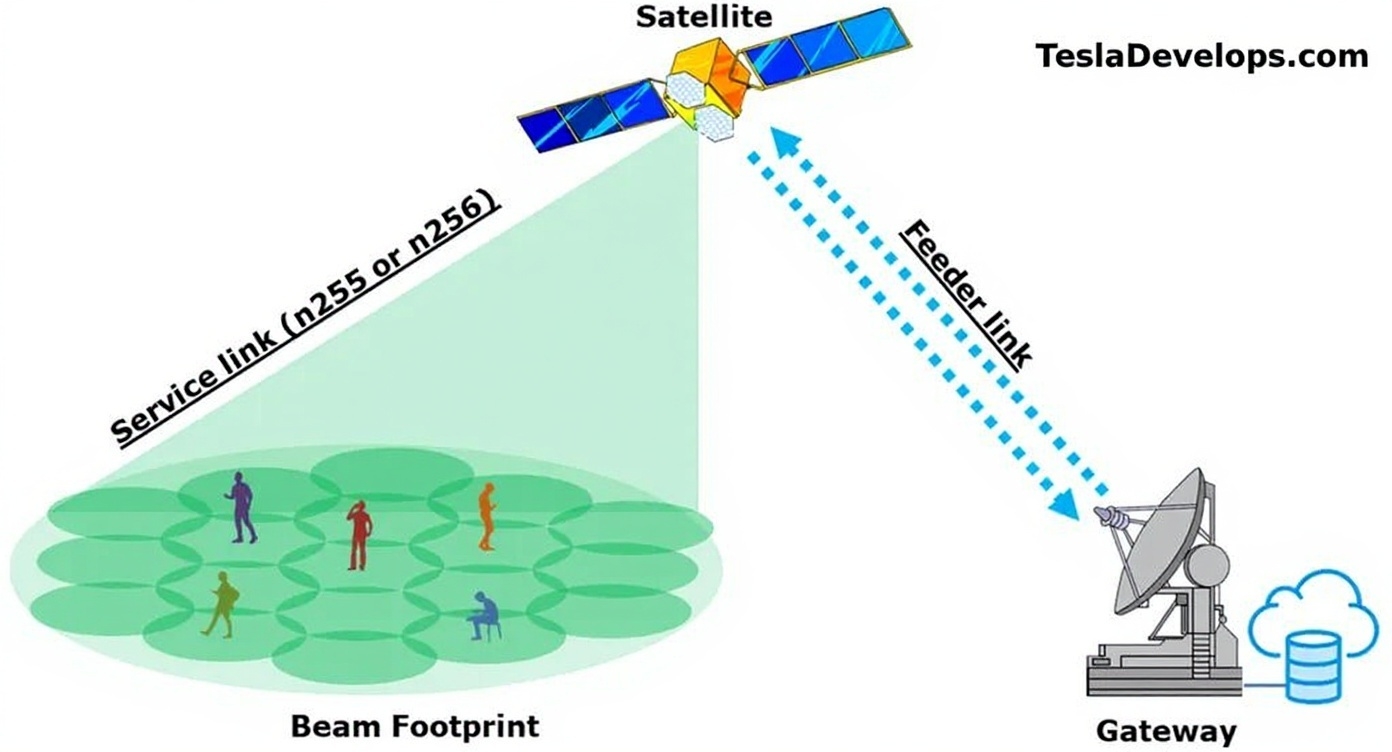
Unlike traditional cellular networks that require expensive ground-based infrastructure, SpaceX has deployed over 650 Direct to Cell satellites in low Earth orbit (LEO) at altitudes below 400 km. These satellites don’t require specialized phones, new hardware, or fancy apps. Your existing LTE smartphone becomes a satellite phone automatically—no modifications needed.
The Technology Behind the Magic: Cell Towers in Space
The breakthrough lies in SpaceX’s engineering prowess. Each Direct to Cell satellite is equipped with:
- eNodeB modems that function as traditional cell tower base stations—but in space
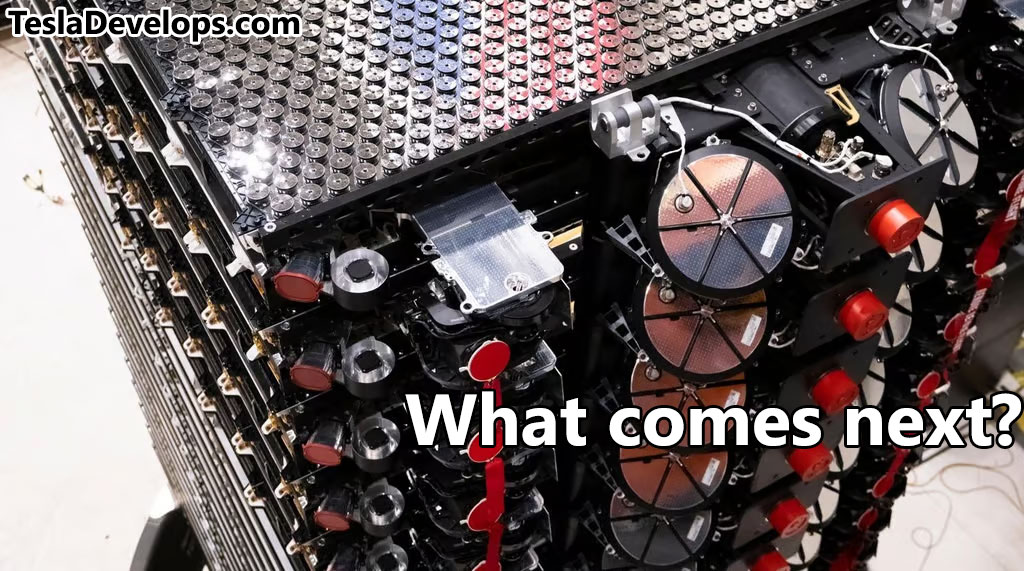
- Advanced phased array antennas (the most sophisticated in the world) that can “listen” to weak signals from regular smartphones
- Laser inter-satellite links that connect the constellation to ground stations and the global internet backbone
- Regenerative networking capabilities that enable seamless integration with terrestrial mobile networks
Technical Specifications: The Spectrum, Bands, and Speeds
Spectrum Allocation: The PCS G Block Advantage
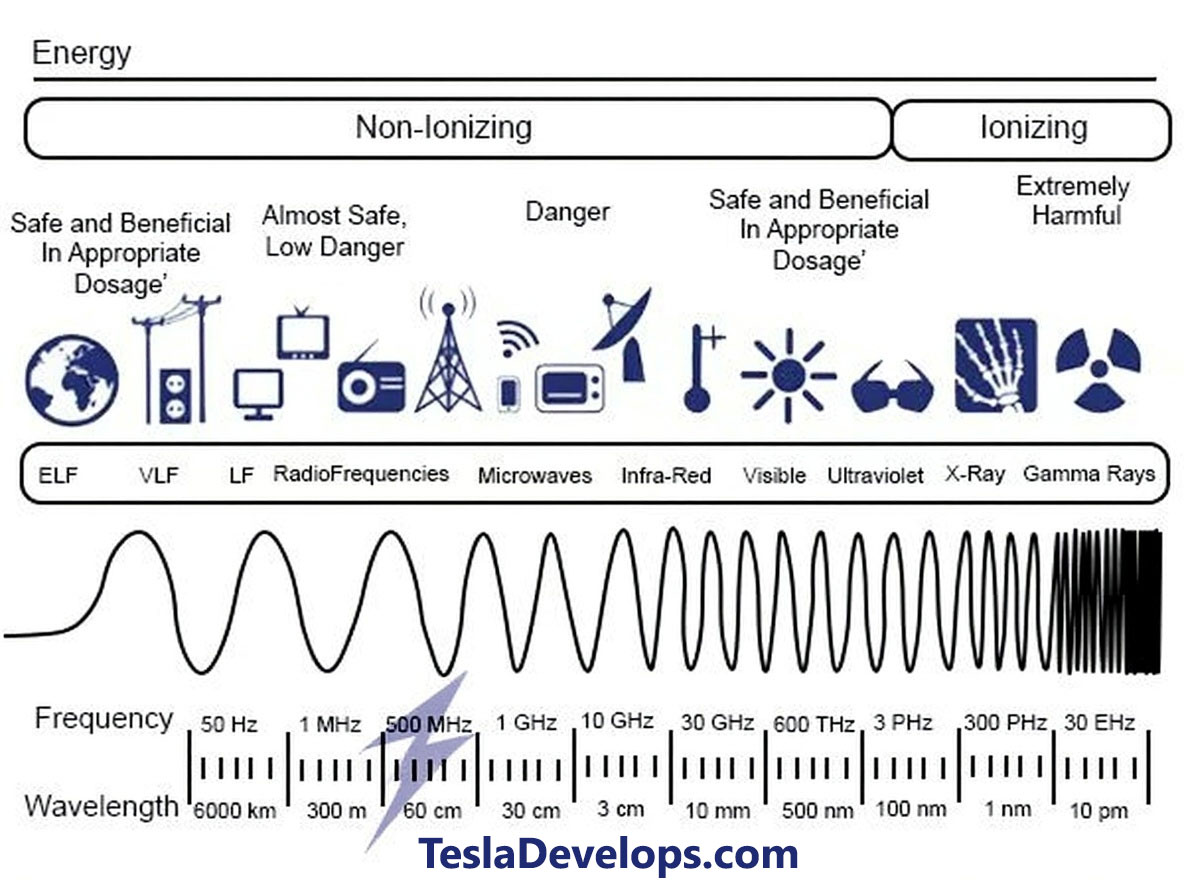
SpaceX’s Direct to Cell service operates in T-Mobile’s PCS G Block spectrum—specifically in the 1910-1915 MHz (uplink) and 1990-1995 MHz (downlink) frequency ranges. This is critical because:
- Standard LTE Band 25 compatibility ensures every modern smartphone can connect without modifications
- Mid-band frequencies (1.9 GHz) provide the optimal balance between coverage area and data throughput
- 5 MHz channel bandwidth per beam enables voice, text, and data services
Data Speeds: What to Expect
The FCC recently approved SpaceX’s request to operate at increased power levels, with power flux density of -110.6 dBW/m²/MHz—a significant 9.4 dB improvement over initial limits.
Here’s what this means for real-world performance:
| Service Type | Current Capability | Theoretical Peak | Commercial Rollout |
|---|---|---|---|
| Text Messaging (SMS) | ✅ Active in beta (2024-2025) | Unlimited | Available Now |
| Voice Calls | 🔄 Testing phase | VoLTE support at 9.8+ kbps | Q2 2025 |
| Mobile Data | 🔄 Testing phase | 3.0-7.2 Mbps per beam | Q3-Q4 2025 |
| IoT Connectivity | ✅ Testing with Cat-1/Cat-4 modems | Various throughput levels | 2025-2026 |
In real-world testing, SpaceX has demonstrated 17 Mbps download speeds to unmodified Android smartphones—impressive for a satellite connection to a device designed for terrestrial networks.
Coverage: Truly Global Connectivity
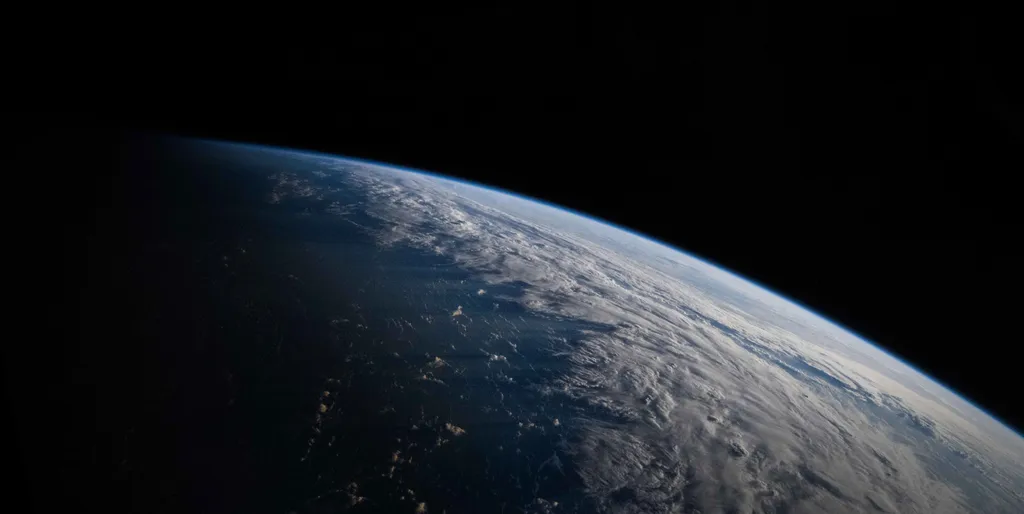
With more than 650 satellites already operational and FCC authorization for up to 7,500 Gen2 satellites with Direct to Cell capability, SpaceX is building the world’s largest mobile network:
- Five continents currently covered: North America, Europe, Australia, New Zealand, and parts of South America
- 8+ million people already using the service in areas without terrestrial coverage
- More than 50% of Earth’s land mass remains uncovered by traditional cellular infrastructure—this is the addressable market
The T-Mobile Partnership: Beta Testing and Real-World Results
In December 2024, T-Mobile opened beta registration for “T-Satellite with Starlink,” marking a pivotal moment in telecommunications history. The results have been remarkable:
Emergency Response Success Stories
- Hurricane relief: During Hurricanes Helene and Milton, the FCC granted emergency authorization, enabling 1.5 million people to send millions of SMS messages and receive Wireless Emergency Alerts in areas where terrestrial networks were destroyed
- New Zealand car crash: A woman discovered a car accident in a cellular dead zone and successfully texted emergency services via Direct to Cell, saving lives
- Wildfire communications: First responders used the service to coordinate rescue operations in remote areas
Beta Testing Access
T-Mobile is currently offering free beta access to customers, with plans to expand to other carriers. When you’re connected, your phone displays “T-Mobile SpaceX” or “T-Sat+Starlink” as the network name—no special apps or configurations required.
Industry Implications: A Seismic Shift in Telecom
The End of Dead Zones
Traditional cellular carriers have spent decades and hundreds of billions of dollars building cell tower infrastructure. Yet coverage gaps persist everywhere:
- Rural areas remain underserved due to low ROI on tower construction
- Remote highways, national parks, and wilderness areas have zero coverage
- Maritime and aviation connectivity requires expensive specialized equipment
Direct to Cell obliterates this paradigm. A single satellite can cover hundreds of thousands of square kilometers, providing baseline connectivity anywhere with a view of the sky.
Disruption to Traditional Carriers
The telecom industry is facing an existential challenge. According to industry analysts, SpaceX’s Direct to Cell service could disrupt the $2.18 trillion global telecom market:
- Reduced tower dependency: Why invest in expensive rural towers when satellites provide coverage?
- Roaming partnerships become obsolete: Starlink’s global constellation eliminates the need for carrier-to-carrier roaming agreements
- Emergency services transformation: Government agencies may mandate satellite connectivity as baseline infrastructure
- Pressure on profit margins: Carriers must now compete with space-based services on pricing
Amazon’s Leo: The Competition Heats Up
SpaceX isn’t the only company eyeing this massive opportunity. Amazon’s Leo (formerly Project Kuiper) is hot on Starlink’s heels with an ambitious plan to deploy over 3,000 satellites in LEO.
Amazon Leo vs. SpaceX Starlink: The Battle
| Feature | SpaceX Starlink Direct to Cell | Amazon Leo |
|---|---|---|
| Satellites in Orbit | 650+ (Direct to Cell), 5,000+ (total constellation) | ~10 (testing phase) |
| Commercial Service | Beta active (2024-2025) | Expected late 2025-2026 |
| Direct-to-Phone | ✅ Active with T-Mobile & global partners | ❌ Not yet announced |
| Target Market | Consumer mobile connectivity | Enterprise & backhaul initially |
| Orbital Altitude | ~340-350 km (lower = stronger signal) | ~590-630 km (higher orbit) |
| Launch Capacity | Falcon 9 + Starship | Blue Origin + Atlas V + Ariane 6 |
Amazon’s strategy appears more focused on enterprise customers and 4G/5G backhaul for mobile operators rather than direct-to-consumer phone service—at least initially. The company has partnerships with Vodafone and Vodacom to extend cellular network reach using Leo’s satellite constellation.
However, Amazon’s $20+ billion investment signals serious intent. With AWS infrastructure integration and Amazon’s logistics prowess, Leo could become a formidable competitor—but Starlink has a multi-year head start.
The Internet Industry Trembles: Broader Implications
Beyond mobile phones, Direct to Cell technology has profound implications for the internet industry:
1. IoT Revolution
Starlink Direct to Cell supports Cat-1, Cat-1 Bis, and Cat-4 LTE modems without modifications. This enables:
- Agriculture: Sensors in remote fields monitoring soil, moisture, and crop health
- Logistics: Real-time tracking of shipping containers across oceans
- Energy: Remote monitoring of oil/gas pipelines and renewable energy installations
- Environmental: Wildlife tracking, seismic sensors, and climate monitoring stations
2. Aviation and Maritime Connectivity
Airlines and shipping companies have long relied on expensive, low-bandwidth satellite services. Direct to Cell offers:
- Passenger connectivity: Seamless phone service during flights and cruises
- Operational communications: Real-time data for navigation, weather, and fleet management
- Safety systems: Always-on emergency communications
3. Developing Markets
For billions of people in Africa, South Asia, and rural areas worldwide, Direct to Cell could be their first reliable internet connection. This leapfrog technology bypasses the need for terrestrial infrastructure entirely.
Regulatory Challenges and Future Expansion
The FCC’s conditional approval includes important restrictions:
- Interference limits: Starlink must coordinate with terrestrial carriers to avoid signal interference
- Power restrictions: Current authorization allows enhanced power but with geographic limitations
- International coordination: Each country must grant separate spectrum authorization
SpaceX has filed applications for 15,000 additional satellites optimized specifically for Direct to Cell operations. These next-generation satellites will feature:
- Higher power transmitters for improved indoor coverage
- More beams per satellite increasing simultaneous user capacity
- V-band and E-band connectivity for higher backhaul throughput
- Deployment via Starship enabling rapid constellation expansion
What This Means for Consumers
Pricing and Availability
T-Mobile has announced that Direct to Cell will be included free for most postpaid plans during the initial rollout. For other carriers:
- Standalone pricing: Expected around $20/month for basic text/voice/data service
- Global roaming: Partnerships with carriers in Canada (Rogers), Australia (Optus), Japan, Switzerland, and others
- Free emergency access: T-Mobile opened beta testing to all carriers for free during the test phase
Device Compatibility
Any smartphone with LTE Band 25 support can use Direct to Cell—which includes virtually all modern devices:
- iPhone 11 and newer
- Samsung Galaxy S10 and newer
- Google Pixel 3 and newer
- Most Android devices from 2019+
No app, no special hardware, no firmware update required. Your phone just works.
The Future Is Here: What Comes Next?
The transformation from 4G LTE to full 5G Direct to Cell is on the horizon. SpaceX’s technical filings indicate future capabilities:
- Video calling: Support for HD voice and video communication
- Streaming: Mobile video streaming even in remote locations
- Gaming: Low-latency connectivity for multiplayer gaming
- AR/VR: Bandwidth sufficient for augmented reality applications
Moreover, integration with Tesla vehicles could enable seamless connectivity for autonomous driving systems, entertainment, and over-the-air updates anywhere on the planet.
Conclusion: A New Era of Connectivity
SpaceX’s Direct to Cell service represents more than technological innovation—it’s a paradigm shift that redefines what “mobile connectivity” means. With over 650 satellites already operational, millions of users connected, and ambitious expansion plans, the age of dead zones is coming to an end.
Amazon’s Leo is racing to compete, traditional carriers are scrambling to adapt, and consumers stand to benefit from unprecedented global connectivity. The question isn’t whether satellite-to-phone technology will transform the industry—it already has.
Stay Updated on Tesla & SpaceX Tech
For the latest news on Tesla technology, SpaceX innovations, satellite communications, and the future of connectivity, bookmark TeslaDevelops.com – your premier source for cutting-edge tech analysis.
Sources & Further Reading:
Last Updated: November 19, 2025 | Published by TeslaDevelops.com